This post contains affiliate links; I may earn a commission from qualifying purchases.
PROCEED WITH CAUTION
NO GLUTEN-FREE LABEL FOUND
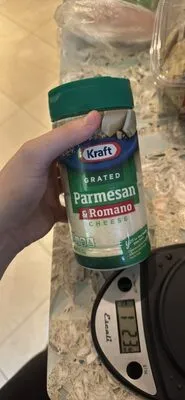
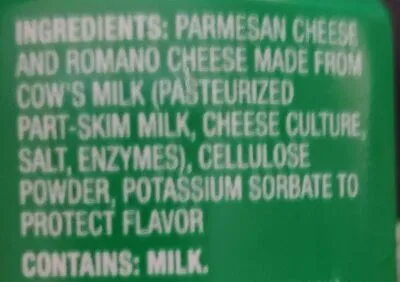
When it comes to managing gluten sensitivity, checking if Kraft Parmesan & Romano Grated Cheese meets clinical safety standards can be difficult without a label audit. Our comprehensive database scan provides the bottom line below. You should proceed with caution with this product. While no direct gluten ingredients were found on the label, no gluten-free claim is made by the manufacturer. This lack of transparency introduces a potential risk for cross-contact, which may be unsafe for strict Celiacs.
Parmesan Cheese And Romano Cheese Made From Cow's Milk (pasteurized Part-skim Milk, Cheese Culture. Salt, Enzymes), Cellulose Powder, Potassium Sorbate To Protect Flavor
Gluten Risk Other Allergen
Common Questions & Celiac Safety
Is the maltodextrin in Kraft Parmesan & Romano Grated Cheese safe?
Maltodextrin is usually safe, but in a 'Caution' product like Kraft Parmesan & Romano Grated Cheese, its presence adds to the overall ambiguity.
What is the threshold for 'Caution' in your system?
We flag products like Kraft Parmesan & Romano Grated Cheese when they have safe ingredients but no manufacturer-backed safety guarantee.
Is Kraft Parmesan & Romano Grated Cheese safe for someone with Celiac Disease?
Use Caution. This product falls into our Caution category because it lacks an official gluten-free claim.
Is Kraft Parmesan & Romano Grated Cheese better than Red Tier products?
Yes, it is safer than products with known gluten, but less certain than those in our Verified Safe (Green) tier.
Has Kraft Parmesan & Romano Grated Cheese changed its recipe recently?
Formulations can change without notice. Always read the physical label on Kraft Parmesan & Romano Grated Cheese before every purchase.
GlutenSense Verification Methodology
GlutenSense uses a clinical-first cross-reference engine, unifying real-time data from Open Food Facts and the USDA Branded Foods database. Every product undergoes a 90-day safety audit to ensure analysis remains current with manufacturer changes and production facility updates.