This post contains affiliate links; I may earn a commission from qualifying purchases.
PROCEED WITH CAUTION
NO GLUTEN-FREE LABEL FOUND
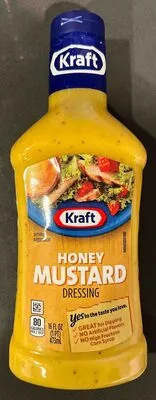
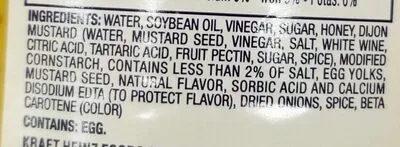
For those navigating a strict Celiac diet, understanding the exact allergen profile of Kraft Honey Mustard Dressing is crucial. Let's look at what the manufacturer data actually says. You should proceed with caution with this product. While no direct gluten ingredients were found on the label, no gluten-free claim is made by the manufacturer. This lack of transparency introduces a potential risk for cross-contact, which may be unsafe for strict Celiacs.
Water, Soybean Oil, Vinegar, Sugar, Honey, Dijon Mustard (water, Mustard Seed, Vinegar, Salt, White Wine, Citric Acid, Tartaric Acid, Fruit Pectin, Sugar, Spice), Modified Cornstarch, Contains Less Than 2% Of Salt, Egg Yolks, Mustard Seed, Natural Flavor, Sorbic Acid And Calcium Disodium Edta (to Protect Flavor), Dried Onions, Spice, Beta Carotene (color)
Gluten Risk Other Allergen
Common Questions & Celiac Safety
Is Kraft Honey Mustard Dressing processed in a dedicated facility?
Likely not. Most products in the Caution tier, including Kraft Honey Mustard Dressing, are made in facilities that also handle gluten grains.
How can I verify Kraft Honey Mustard Dressing myself?
Look for the UPC 0021000028207 on the package and see if any new 'Gluten-Free' seals have been added since our last check.
Does Kraft Honey Mustard Dressing list any 'May Contain' warnings?
Many items in the Condiments & Sauces section use advisory labels. You should check the physical package of Kraft Honey Mustard Dressing for these warnings.
What does the 'Caution' status really mean?
It means the ingredients are technically safe, but the manufacturing environment for Kraft Honey Mustard Dressing is a 'known unknown'.
Can I contact the manufacturer about Kraft Honey Mustard Dressing?
Yes, we recommend calling the brand directly to ask if Kraft Honey Mustard Dressing is produced in a dedicated gluten-free facility.
GlutenSense Verification Methodology
GlutenSense uses a clinical-first cross-reference engine, unifying real-time data from Open Food Facts and the USDA Branded Foods database. Every product undergoes a 90-day safety audit to ensure analysis remains current with manufacturer changes and production facility updates.